
Science breakthrough
QTL mapping, a candidate gene conserved from fruit fly to human, and a correlation measured across roughly 600 human breast specimens.
Science breakthrough
One gene, five ways of looking at it
The whole programme, step by step, with the figures the company published. Nothing here is a rendering or an illustration — every image is from the paper itself.
Discovery
A susceptibility locus on rat chromosome 12
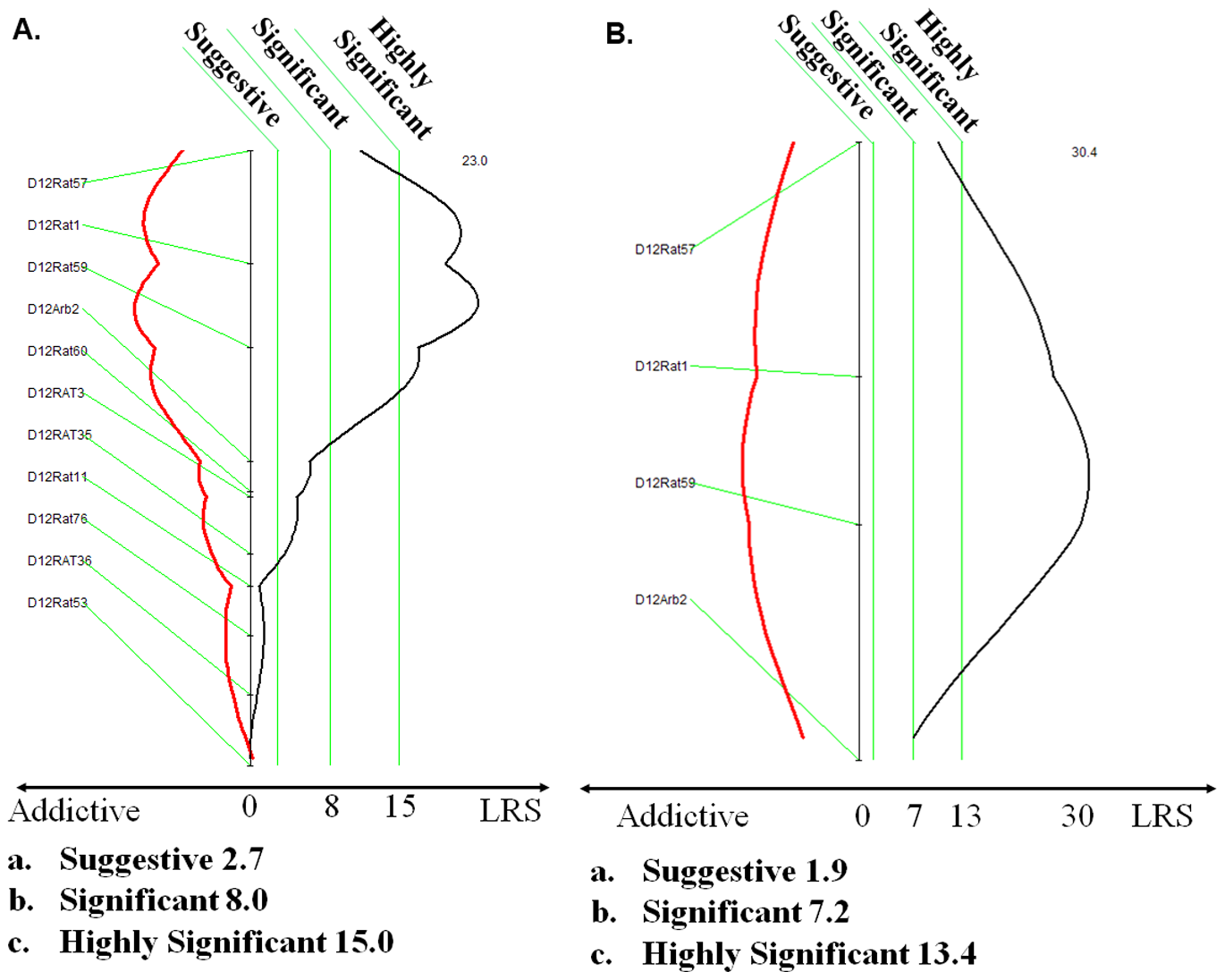
Rat strains differ dramatically in their susceptibility to mammary carcinogenesis. On the assumption that susceptibility genes are conserved across mammalian species and hence inform human carcinogenesis, the laboratory used a genetic backcross between the resistant Copenhagen (Cop) and susceptible Fischer 344 (F344) strains.
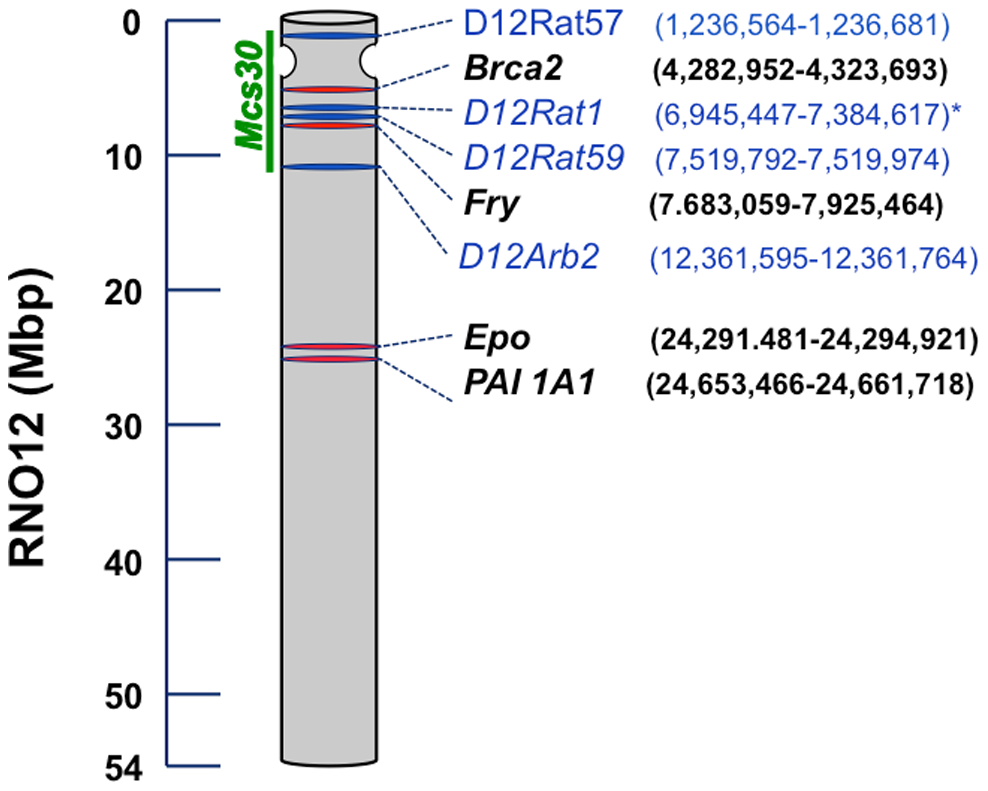
- Mcs30 mapped to the centromeric region of rat chromosome 12
- LOD score of approximately 8.6 at the D12Rat59 marker
- A region of about 12 Mbp on the long arm of RNO12
- Synteny conserved on human chromosome 13q12 to 13q13
- QTL mapping
- Mcs30
- RNO12
- LOD ~8.6
The candidate gene
Fry, the rat ortholog of furry
After analysing the genes comprising the interval, the laboratory identified Fry — the rat ortholog of the Drosophila melanogaster furry gene — as a new mammary carcinoma susceptibility gene.
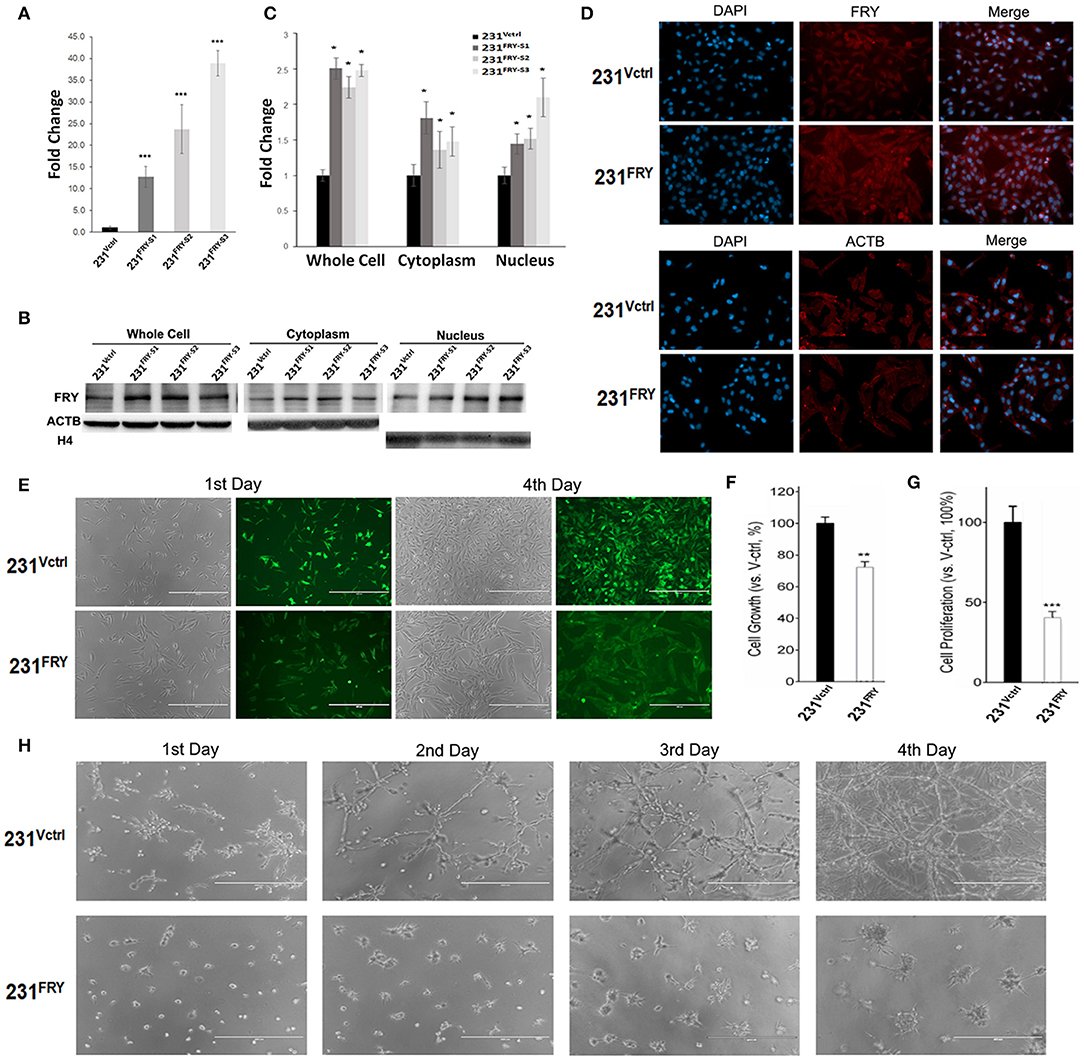
- Fry inhibits in vitro and in vivo tumorigenesis of human breast carcinoma cells
- It does so by inducing differentiation and reversing epithelial–mesenchymal transition
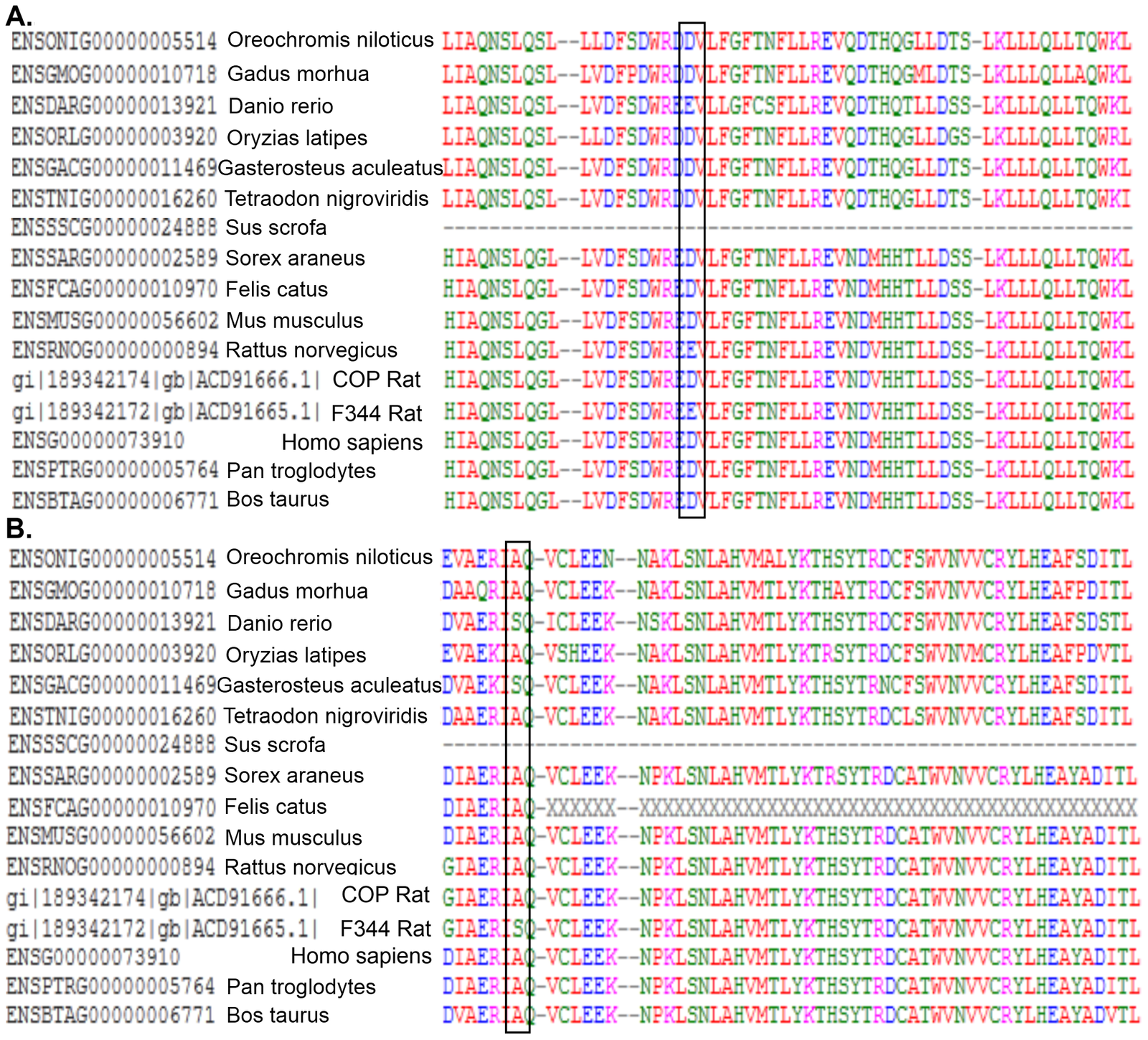
- The gene is evolutionarily conserved from yeast to human
- A large protein, with a predicted novel phosphorylation site in the F344 allele
- Fry
- furry ortholog
- tumour suppressor
- EMT reversal
In human tissue
What falling FRY expression predicts
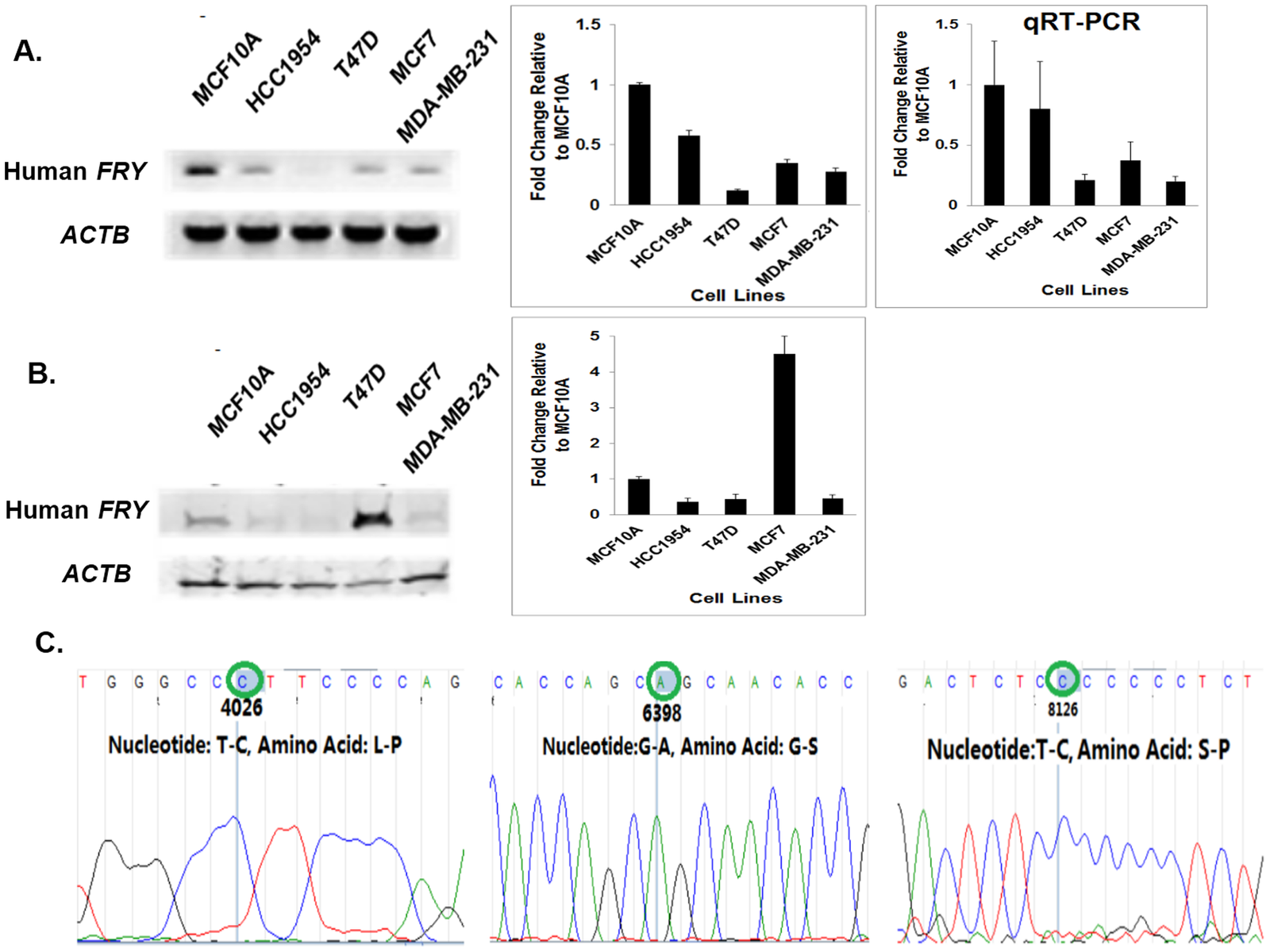
Comparison of FRY protein levels in normal human breast tissue against roughly 400 intraductal carcinomas and 200 cases of ductal carcinoma in situ showed that decreased expression of FRY mRNA and protein — especially nuclear expression — is strongly correlated with aggressive tumour histopathology.
- Strongly correlated with aggressive tumour histopathology
- Correlated with loss of hormone receptors
- Correlated with Elston tumour grade
- Also correlated with progression and, in some cases, metastasis of ovary, prostate and lung carcinomas
- A critical early event in carcinogenesis
- ~400 IDC
- 200 DCIS
- Elston grade
- hormone receptors
Expression and conservation
Where FRY is expressed, and how it changed
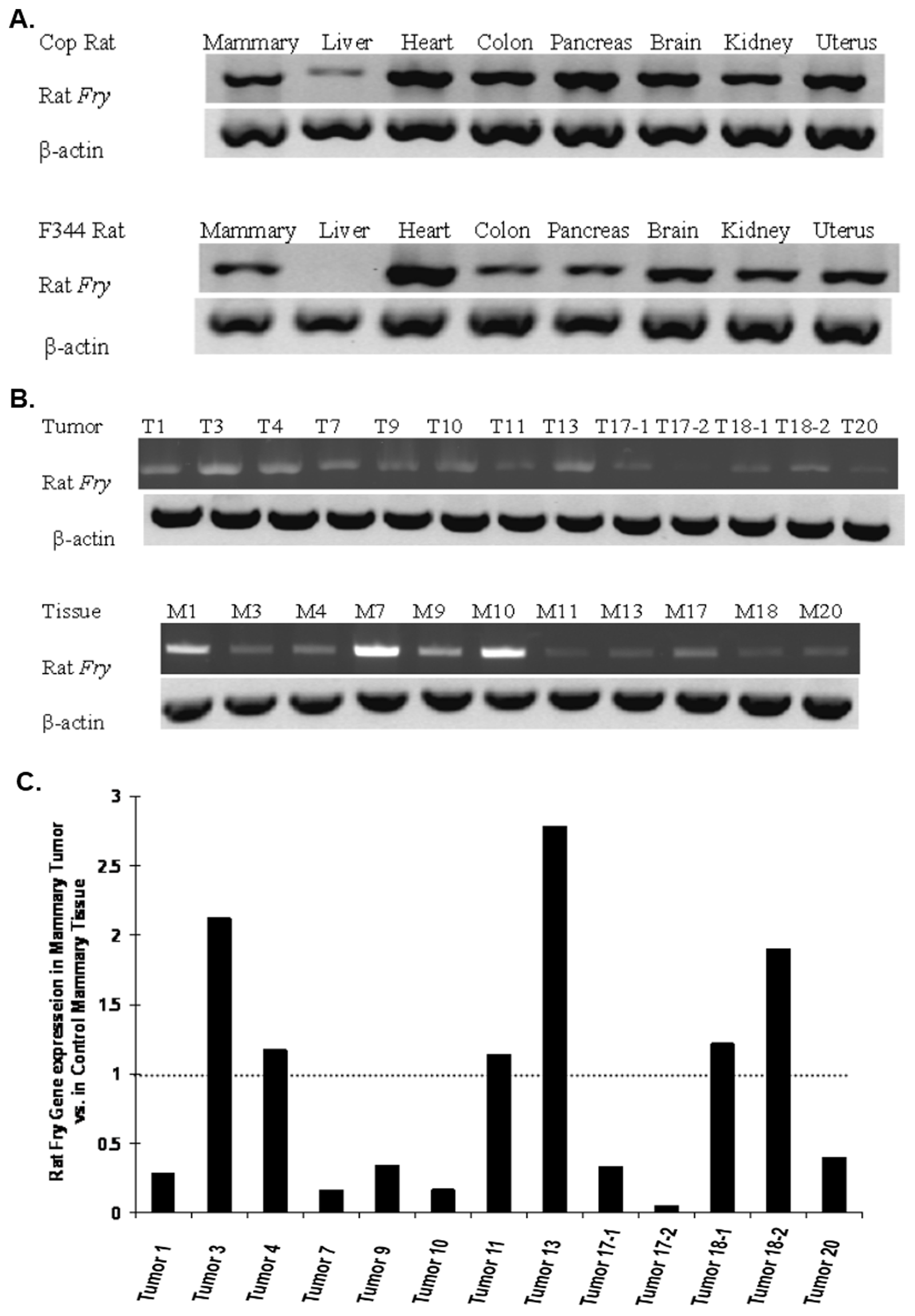
Expression of rat Fry mRNA was surveyed across tissues and mammary tumours, and the protein sequence was aligned across orthologs to see how much of it evolution had kept.
- Fry mRNA expression profiled in rat tissues and mammary tumours
- Protein alignment across orthologs from different species
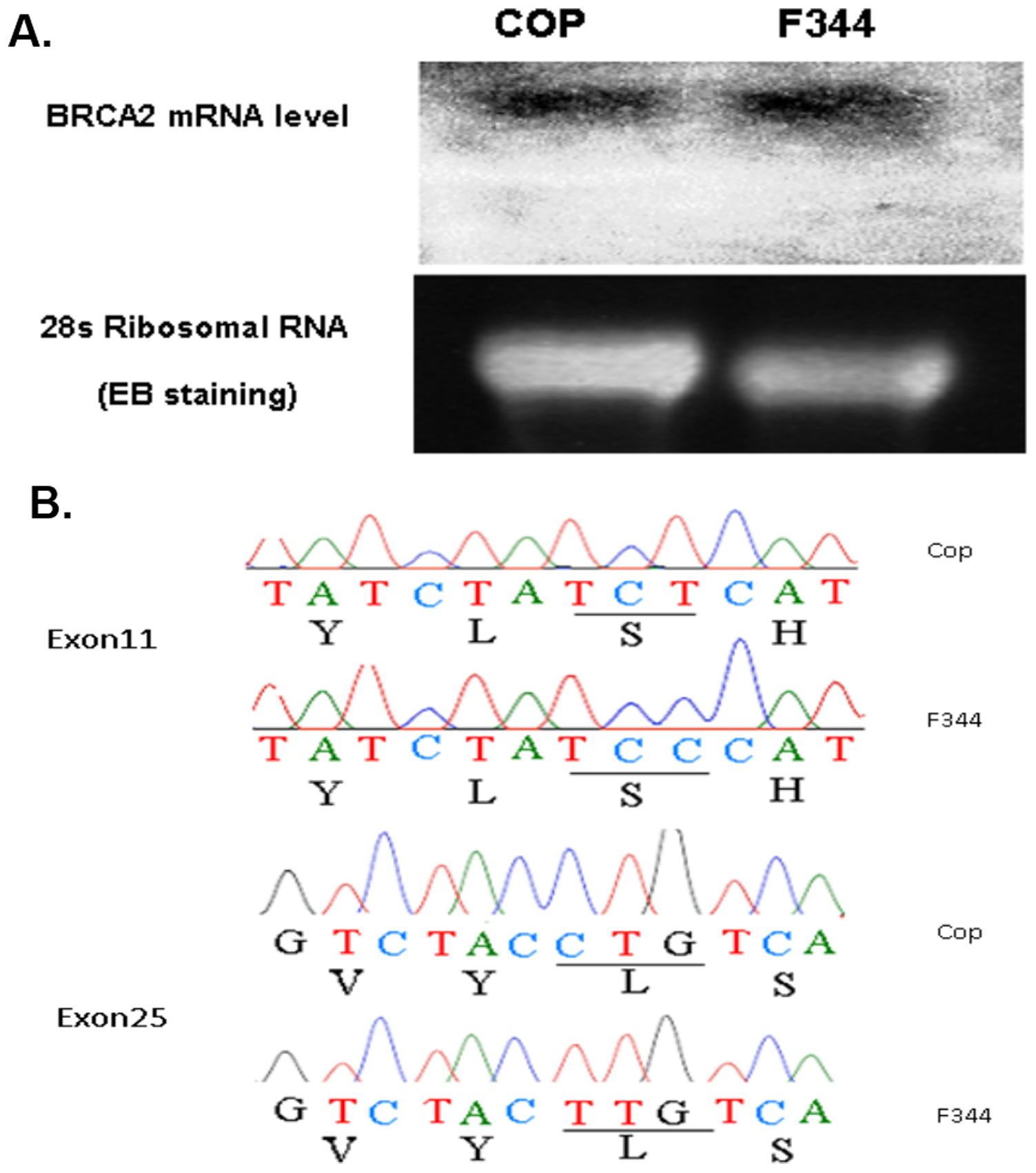
- Comparison of Brca2 mRNA levels and DNA sequences in Cop and F344 rats
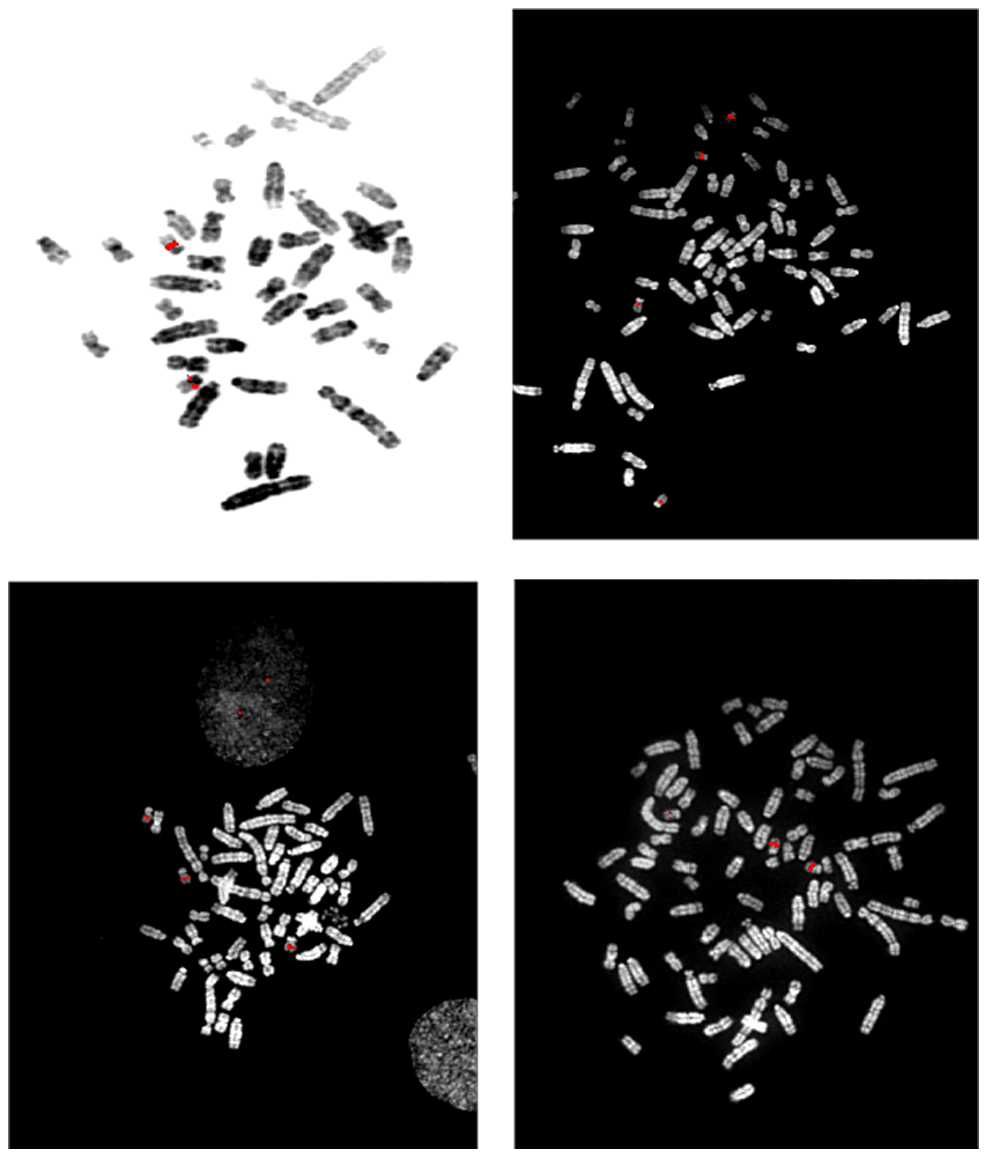
- FISH mapping of the BAC containing D12Rat59 to rat chromosome 12q11-q12
- tissue survey
- ortholog alignment
- FISH
- Brca2 comparison
The platform
Susceptibility, progression, grading and therapy
The company’s stated position, in its founder’s words at the time of its first financing: the findings suggested FRY could be used as a platform to develop cancer gene-based susceptibility tests, for disease progression and for tumour grading — and that the tumour suppressor gene could be useful for developing new targeted drugs, especially for aggressive and/or advanced breast cancer.
- Cancer gene-based susceptibility tests
- Tests for disease progression
- Tumour grading
- A route to targeted drugs for aggressive and advanced breast cancer
- susceptibility
- progression
- grading
- targeted therapy
Figures
Every figure from the paper
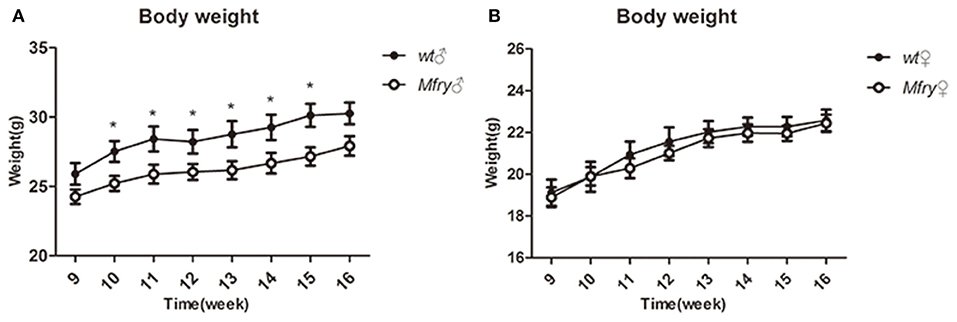
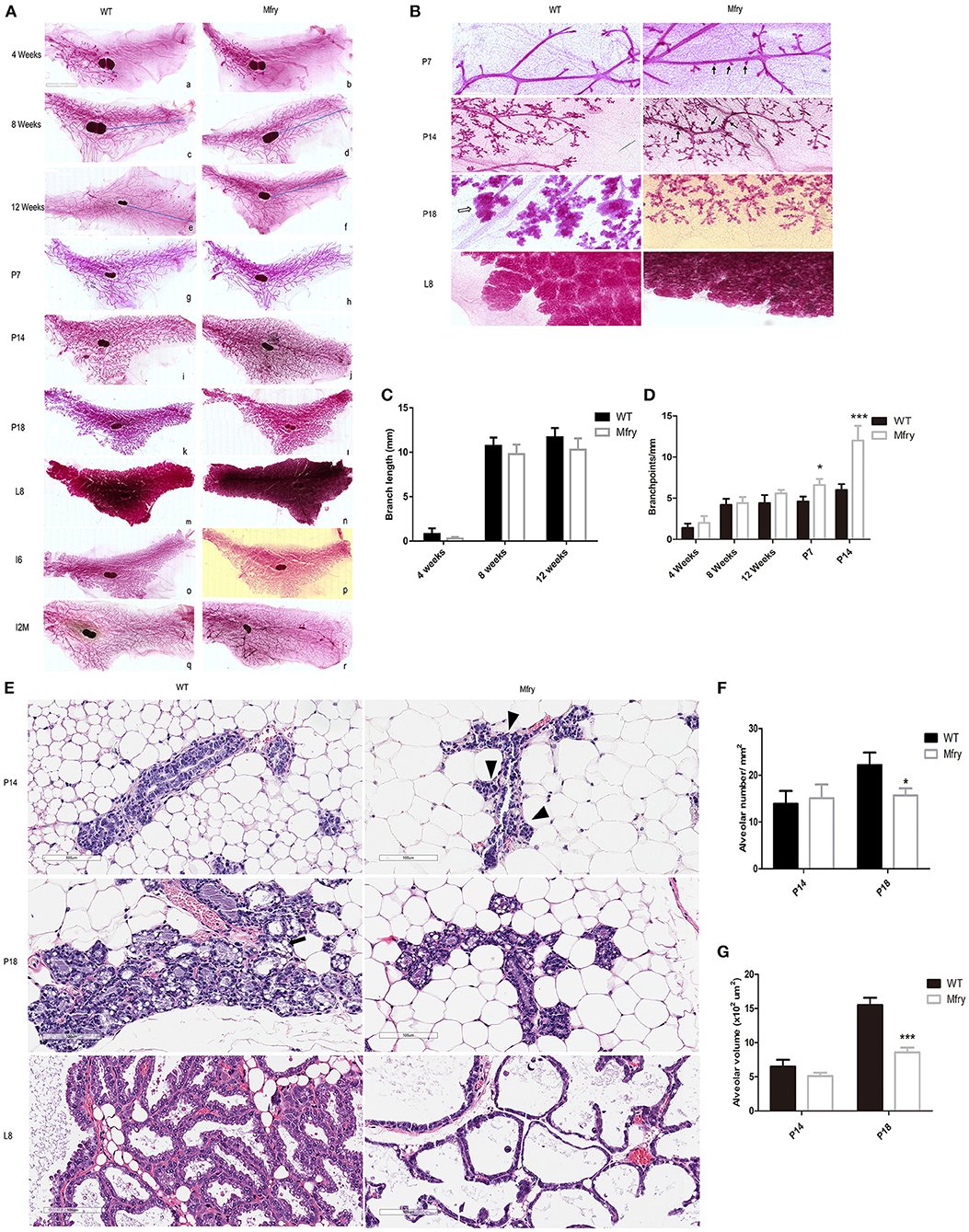
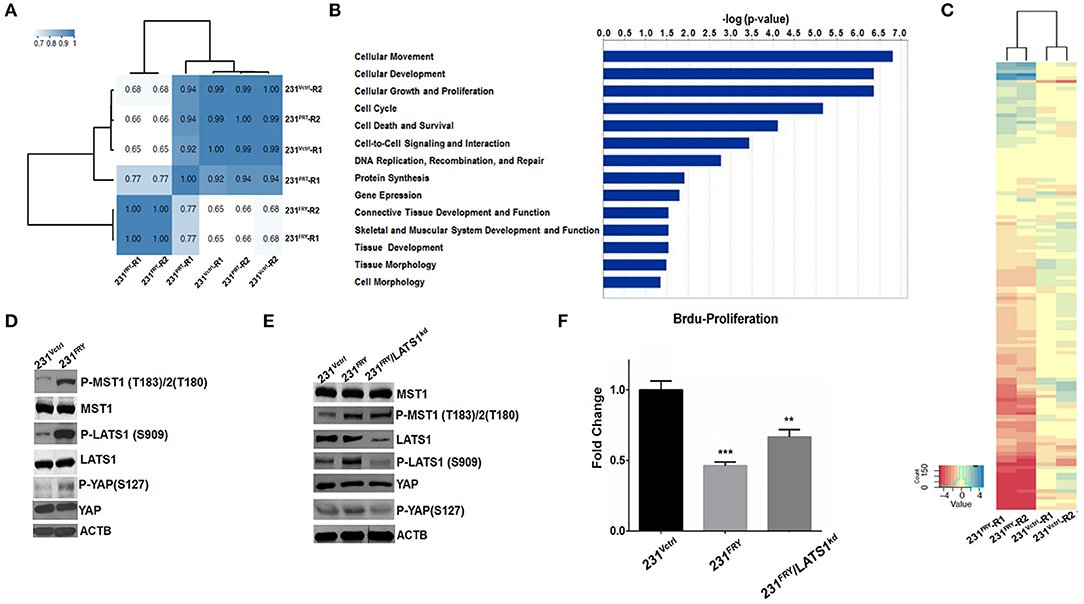
Seven figures and five from the later study. Click any one to open it full size. Published in PLOS ONE and Frontiers in Oncology under a Creative Commons Attribution licence, which permits reuse with attribution.
Mechanism
How FRY is switched off
The laboratory’s hypothesis was that specific epigenetic and post-transcriptional mechanisms are responsible for the loss of FRY in tumour cells, and it set out to test them.
- Epigenetic silencing by DNA methyltransferase enzymes
- The long noncoding antisense transcript FRY-AS1 binding the FRY protein and altering its nuclear transport
- Post-translational modification affecting nuclear localisation
In one paragraph
Why a rat QTL became a human biomarker
Rat strains differ dramatically in their susceptibility to mammary carcinogenesis. On the assumption that susceptibility genes are conserved across mammalian species and hence inform human carcinogenesis, the laboratory mapped a susceptibility locus in a Copenhagen × Fischer 344 backcross, narrowed it to about 12 Mbp, and identified Fry within it.
Fry turned out to inhibit tumourigenesis of human breast carcinoma cells by inducing differentiation and reversing epithelial–mesenchymal transition. In human tissue, reduced FRY mRNA and protein — especially nuclear protein — correlated strongly with aggressive histopathology, loss of hormone receptors and higher Elston grade, and with progression and metastasis in ovary, prostate and lung as well.
That is the whole investment case: a mechanism that makes biological sense, a human correlation measured across hundreds of specimens, and a patent on using it.