
Management and advisers
Who is documented, and which of the original pages no archive ever captured.
Management
The people named in the public record
Only those GeneAssess people whose roles are documented in the company’s own publications, its patent record or the founder’s curriculum vitae are listed. Where a role was never published, the person is not listed.
Founder and President
Helmut Zarbl, PhD
Founding President of GeneAssess, Inc. from 2012. Professor and Chair of the Department of Environmental and Occupational Health at the Rutgers School of Public Health, and Director of the Environmental and Occupational Health Sciences Institute.
- PhD in Biochemistry, McGill University, 1983
- Postdoctoral fellowship with Dr. Mariano Barbacid at the National Cancer Institute
- Postdoctoral research with Dr. Paul Jolicoeur at the Clinical Research Institute of Montreal
- Assistant to Associate Professor at MIT from 1987, and Deputy Director of its Environmental Health Sciences Center
- Joined the Fred Hutchinson Cancer Research Center in 1994, where he established and directed its Genomics facility
- Founded and directed the NIEHS-sponsored University of Washington / FHCRC Toxicogenomics Research Consortium
- Joined Rutgers in 2007 as Director of the NIEHS-funded Center for Environmental Exposures and Disease
- Associate Director of the Rutgers Cancer Institute of New Jersey, 2008–2013
- Co-founder of Impedagen, LLC, 2006
Researcher
Jessica C. Graham
Co-author, with Dr. Zarbl, of the pending patent licensed by GeneAssess, Inc. (application number PCT/US2011/063553), and a co-author on the Fry publications.
- Named in the competing-interests statement of the 2013 PLOS ONE paper as a patent co-author
- Co-author on the Fry tumourigenicity and biomarker work
Collaborator — University at Buffalo
Xuefeng Ren, PhD
First author of the 2013 paper identifying Fry, and a long-standing collaborator on the FRY programme.
- Department of Social and Preventive Medicine, the State University of New York, Buffalo
- Co-principal investigator with Dr. Zarbl on the Department of Defense Breast Cancer Breakthrough Award, 2013–2015
Collaborator
Yana Bromberg, PhD
Co-author on the 2013 identification of Fry as a candidate Mcs gene.
- Contributed to the analysis of the candidate interval
Board of Directors
Not recovered
The original site carried a Board of Directors page. It was never captured by the Internet Archive, by Common Crawl, or by any other archive consulted, and no GeneAssess board membership appears in the company’s papers, its patent record or the founder’s curriculum vitae.
Rather than publish a plausible-looking list, this page says what is true: the membership is not known from any surviving source. What the public record does show is who put money in — Foundation Venture Capital Group, whose president and chief executive are named on the Investor Relations page.
Scientific Advisory Board
Not recovered
The original site carried a Scientific Advisory Board page. Like the board page, it was never captured, and no GeneAssess advisory-board membership is recorded in any surviving source.
The company’s collaborators are a matter of record, however, because they are named as co-authors on its publications. They are listed above: Xuefeng Ren of the University at Buffalo, who was first author on the paper identifying FRY, and Yana Bromberg. Jessica C. Graham is named in the patent record.
The work these people did
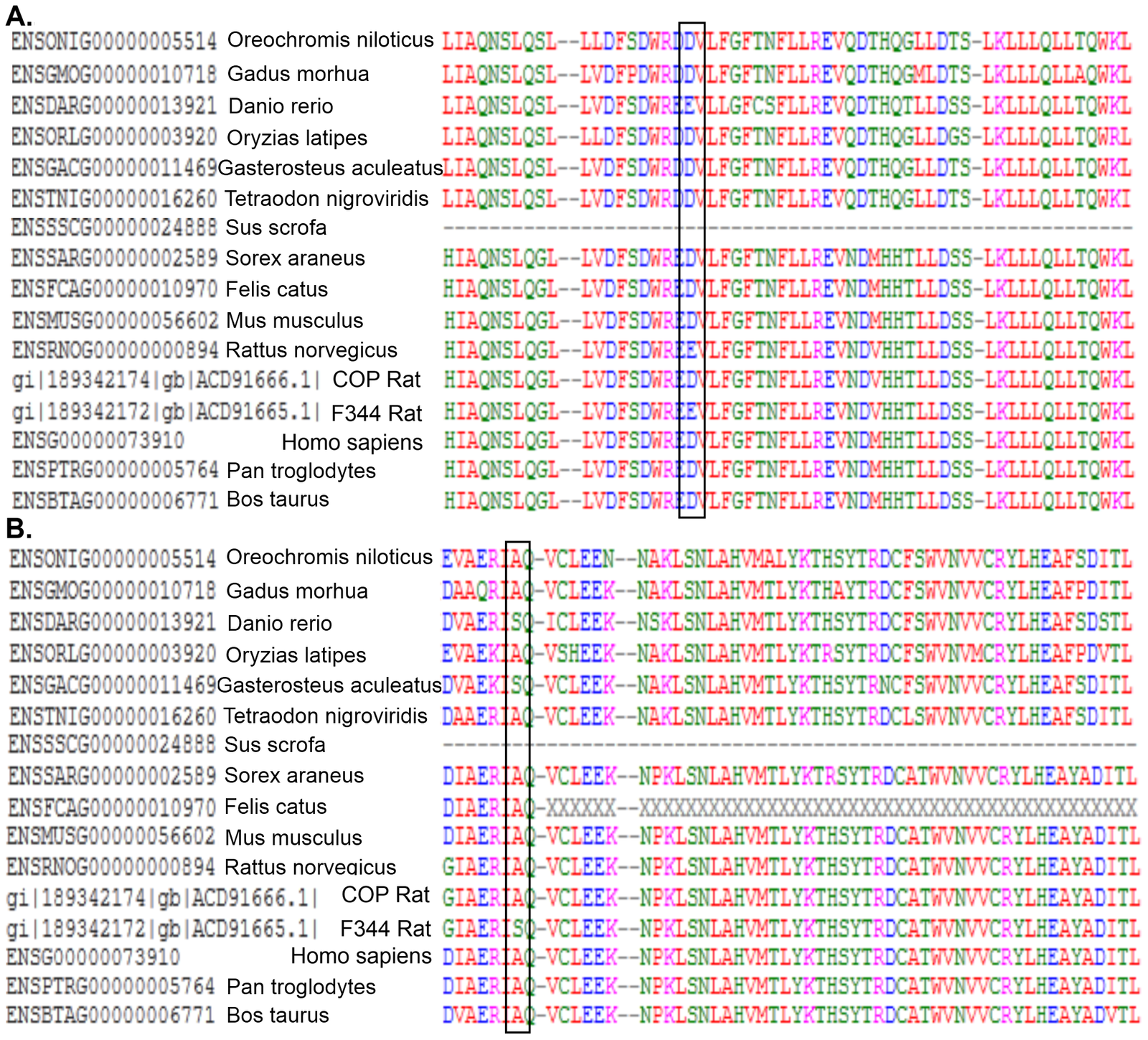
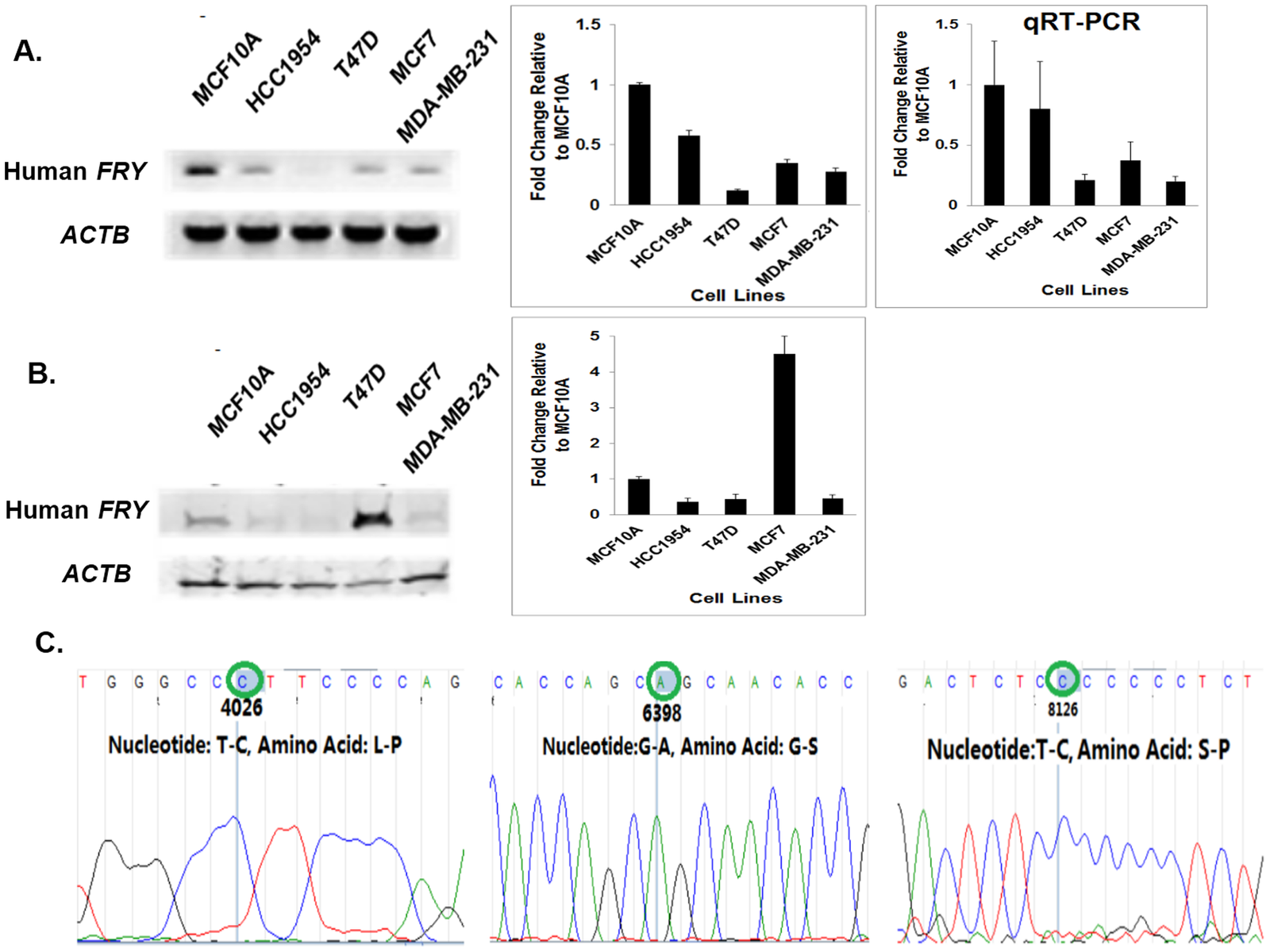
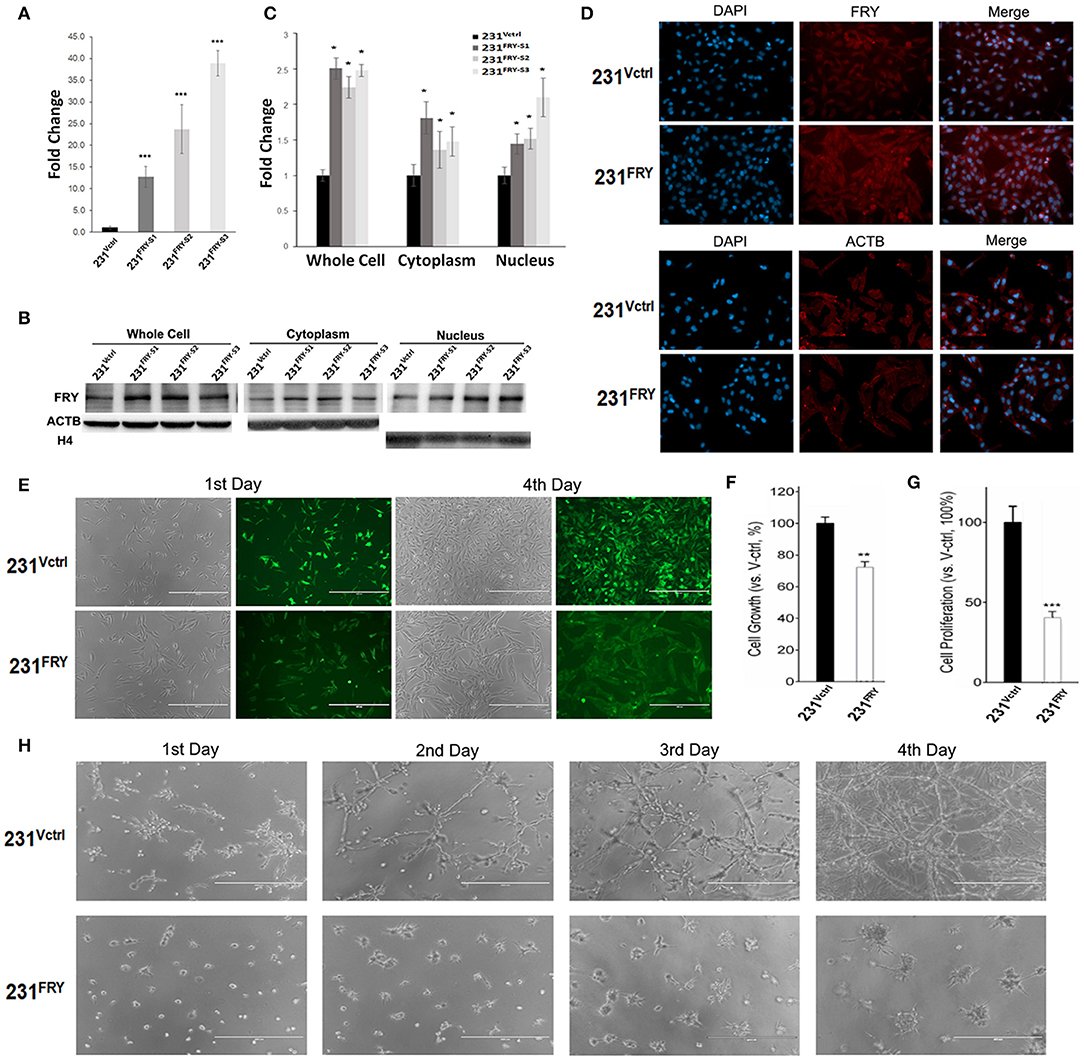
Three of the published figures behind this page. Every image on this site comes from the company’s own open-access papers.
How to read this page
Four people are listed because four people can be sourced. Two pages are marked “not recovered” because the archives do not contain them. That is the whole method: what survived is reproduced, and what did not is stated.